
Sciatica is one of those pains that feels like it has a mind of its own — shooting from your low back down your leg, flaring up when you least expect it, and often resisting your best efforts to manage it. I’ve seen it countless times in myself and clients, and it’s why I’m always cautious yet curious about tools like inversion tables. People ask all the time: Can flipping upside down really help sciatica?
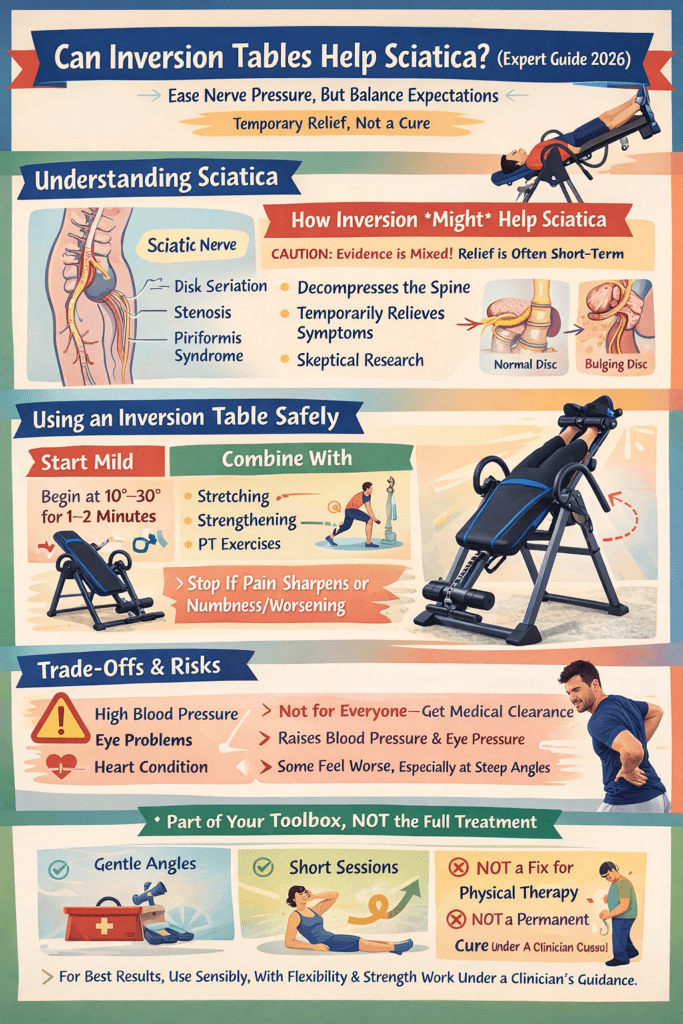
The short answer? Maybe — for some people, temporarily and within a safe framework. But it’s not a cure-all, and the true value of an inversion table for sciatica comes from how you use it — and when. Let’s break down the science, risks, how to decide if it’s worth trying, and how to make the most of it if you do.
What Sciatica Really Is
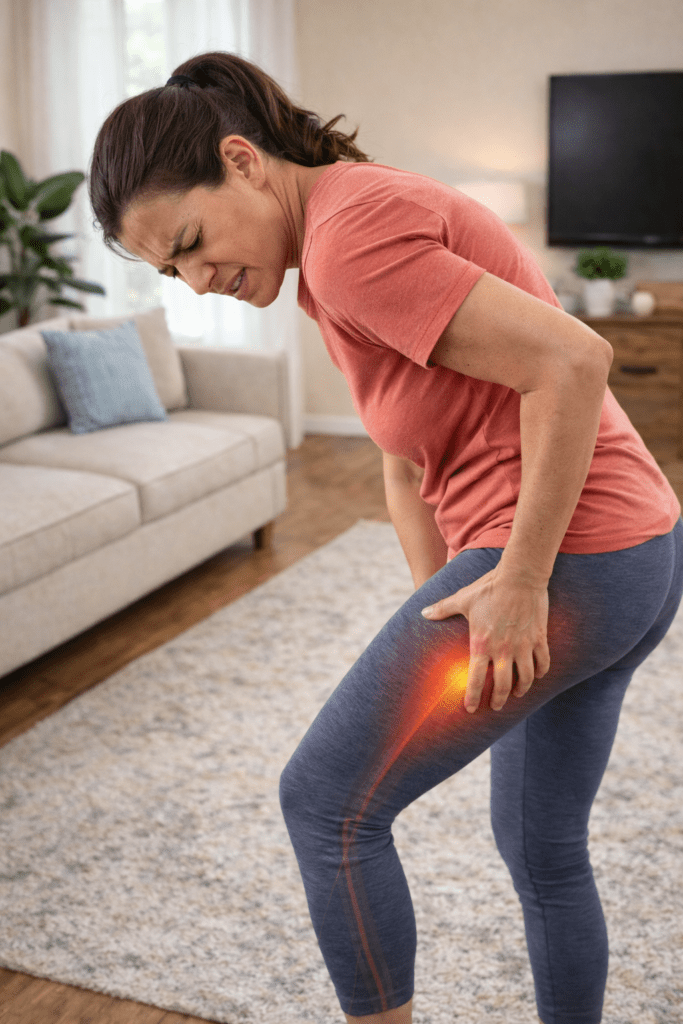
Sciatica isn’t a diagnosis on its own — it’s a set of symptoms usually caused when the sciatic nerve gets irritated or compressed somewhere along its path from your lower spine through your hip and down your leg. Some common causes include disc bulges/herniations, spinal stenosis, spondylolisthesis, or muscle tightness (like piriformis syndrome). How inversion tables might help depends heavily on what’s driving your sciatica in the first place.
Why People Think Inversion Helps Sciatica
The basic idea behind using an inversion table is spinal decompression: letting gravity pull your spine apart slightly so the space between vertebrae increases, which might reduce pressure on irritated nerves.
Many people with sciatica report feeling looser, less tense, and briefly relieved after inversion — and that’s not random. Some clinical findings show inversion can reduce lumbar pressure and even delay the need for surgery in disc-related issues when combined with other treatments.
But here’s the honest truth from research: the evidence is mixed. Some studies and clinicians note short-term relief for back pain and nerve symptoms, while others find little difference compared to sham treatments. That doesn’t mean inversion never helps — just that it shouldn’t be your sole strategy, and it doesn’t fix the underlying issue by itself.
How to Use an Inversion Table (If You Decide It’s Worth Trying)
Before you even think about flipping upside down, talk with a healthcare provider — especially if your sciatica is new, severe, or linked to a known structural issue like a disc herniation.
Here’s the practical approach I’ve recommended to clients:
Start Low and Go Slow
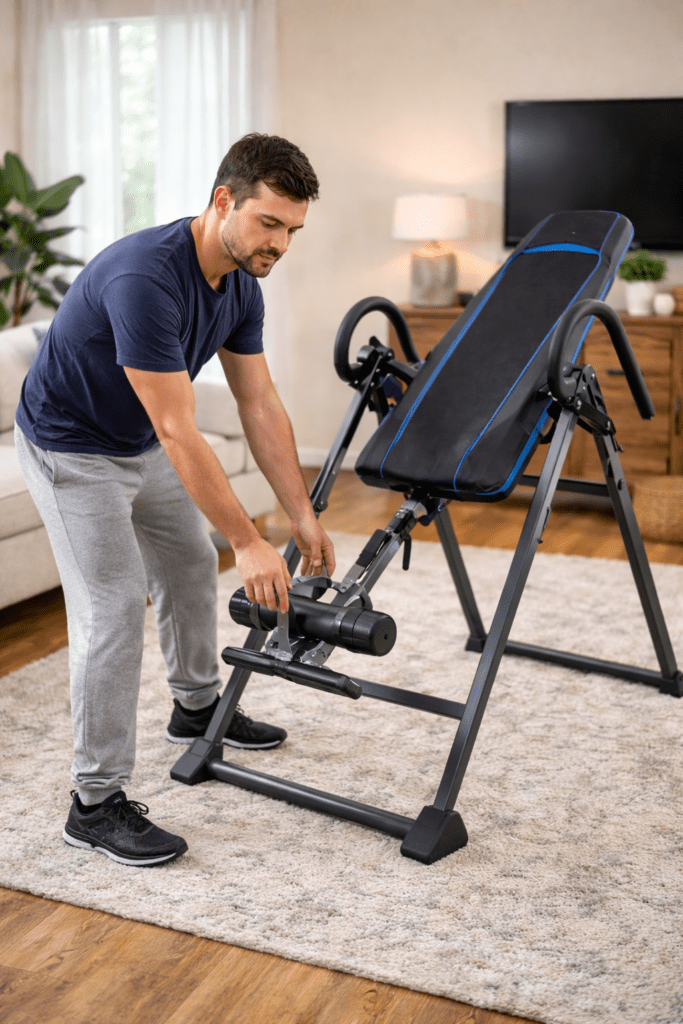
- Begin at a mild angle (10–30°) rather than full inversion.
- Limit initial sessions to 1–2 minutes, and only increase if well tolerated.
- Gradually build to about 3–5 minutes as long as you notice relief and no new pain emerges.
Combine with Stretching and Strength Work
Inversion works best as part of a broader routine that includes core strengthening, hip mobility, and gentle stretching — especially for hamstrings and glutes, which often influence sciatic symptoms.
Watch Your Body
If a certain angle triggers leg pain or sharp nerve sensations, back off immediately and reassess. For many people, partial inversion or even traction from a back stretcher is more tolerable than full upside-down hanging.
Risks, Trade-Offs, and Who Should Avoid Inversion
Inversion isn’t inherently dangerous — but it does change your body’s physiology. Flipping upside down:
- Increases blood pressure and eye pressure
- Slows your heart rate
- Alters circulation and balance semantics
Those effects mean people with high blood pressure, glaucoma, heart conditions, stroke history, acid reflux, inner ear issues, or pregnancy should avoid inversion or get medical clearance first.
Anecdotal voices — like those from people with sciatica who found inversion made symptoms worse — highlight another reality: not everyone responds the same. Some feel relief only while inverted, or worse discomfort afterward. That’s why moderation and monitoring matter.
What You Can Realistically Expect
Here’s what inversion can do for sciatica:
Potential Benefits
- Short-term symptom relief due to decompression
- Relaxation of tight muscles
- Increased flexibility for subsequent stretches
What It Probably Won’t Do
- Provide a permanent cure
- Replace physical therapy or corrective exercises
- Fix anatomical causes like severe stenosis or large herniations
Think of it as a temporary tool, not a treatment plan. Its best use is complementing your day — alongside guided exercise, better posture habits, and appropriate medical care.
Popular Inversion Tables Worth Considering
If you decide inversion might suit you, some models make the experience more comfortable — which matters a lot for sciatica:
- Innova ITX9600 Overview – Stable, simple angle adjustment
- Innova ITM5900 Heat & Massage Table – Adds soothing heat/massage features
- Innova ITX1200 Stretch‑Focused Table – Lets you decompress without full inversion
Those internal pages go deeper on comfort and features that can make regular use more pleasant and safer.
FAQs About Inversion and Sciatica
Does inversion “fix” sciatic nerve compression?
No — it can temporarily reduce pressure and symptom intensity, but it doesn’t heal the underlying cause.
How often should I invert for sciatica?
Start with a few minutes per day or every other day, and only increase if it offers relief. Consistency matters more than duration.
Can inversion make sciatica worse?
Yes — some people report increased symptoms, especially at deeper angles. Always listen to your body and adjust.
Should I use inversion instead of physical therapy?
No — it’s a complement, not a replacement. Sciatica often responds best to guided exercise plus pain-relief strategies.
Conclusion: Part of the Toolbox, Not the Whole Toolbox
Inversion tables can help some people with sciatica by reducing nerve pressure and relaxing tight tissues, but they’re not a miracle solution. Research evidence is mixed, and individual responses vary widely. Used thoughtfully — at mild angles, short durations, and alongside sensible strengthening and flexibility work — they can be a useful temporary relief tool.
Most importantly, respect the risks, consult a clinician, and treat inversion as one piece of your recovery strategy. If you want to dig deeper into specific models and features that make inverted traction more comfortable and safe, those internal pages I linked are a great next step.
Reputable Resources for More Information
- Cleveland Clinic: Inversion tables and back pain insights (short-term relief, risks)
- WebMD: Practical tips and safety considerations
- Verywell Health: Mechanism and research limitations of inversion therapy